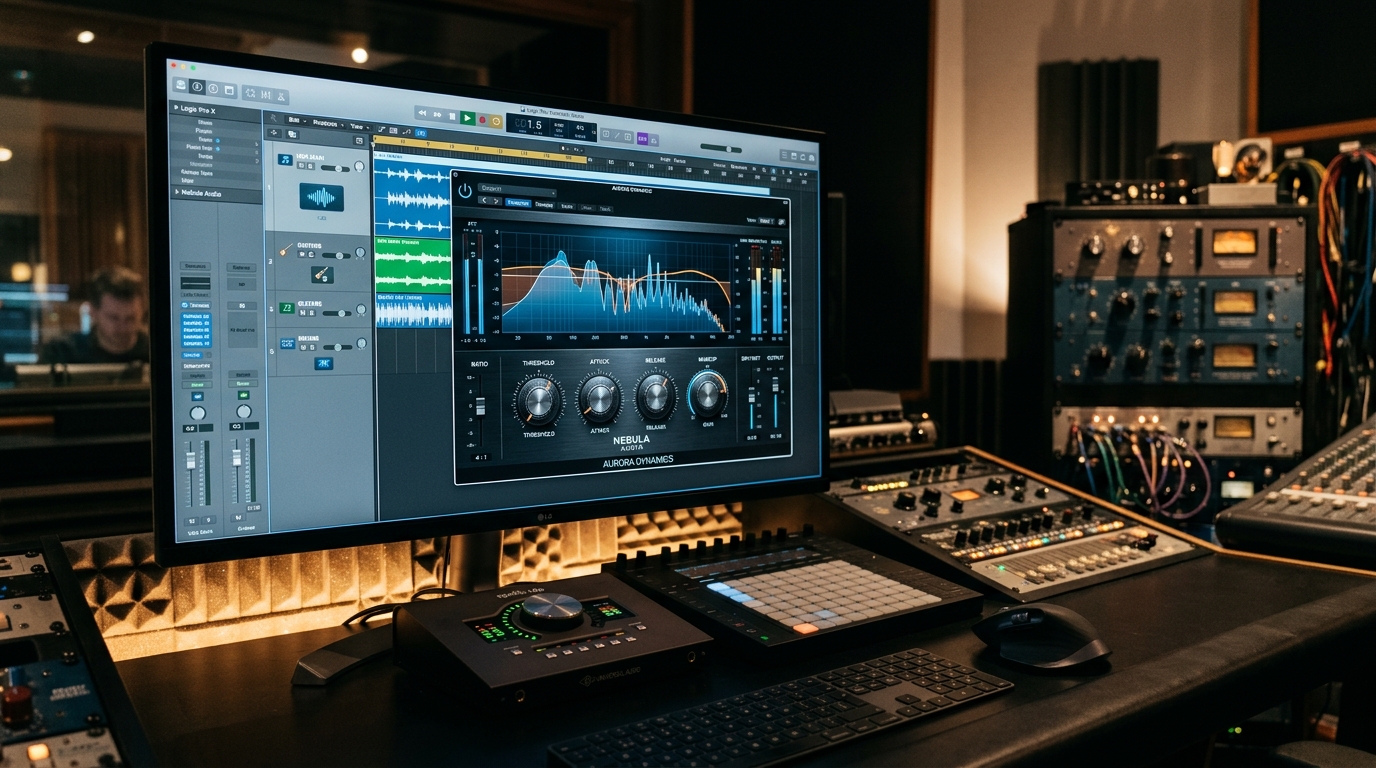
Do Expensive Plugins Really Matter?
One of the most common questions in music production is:
“Do I need expensive plugins to create professional music?”
The short answer is no.
Expensive plugins can be useful, but they are not what separates professional producers from beginners.
Many great songs have been created using stock plugins that come free with a DAW.
The biggest difference usually comes from skill, experience, and decision-making rather than plugin collections.
Why Beginners Obsess Over Plugins
When people start learning music production, they quickly discover thousands of plugin advertisements.
Every company promises:
- Better mixes
- Better masters
- Better vocals
- Better loudness
- Better creativity
It becomes easy to believe that buying another plugin will solve every problem.
Unfortunately, music production rarely works that way.
The Plugin Trap
Many producers fall into what is often called “plugin collecting.”
Instead of improving their skills, they constantly search for:
- New EQs
- New compressors
- New reverbs
- New saturators
- New mastering tools
The result is often a large plugin folder but very little improvement in actual music.
Owning more tools does not automatically create better results.
Stock Plugins Are Better Than Ever
Modern DAWs include powerful built-in tools.
Examples include:
- FL Studio
- Reaper
- Logic Pro
- Cubase
- Studio One
- Ableton Live
Their stock plugins can easily handle professional production, mixing, and mastering tasks.
Many successful producers regularly use stock plugins despite having access to expensive alternatives.
What Actually Makes a Great Mix
A professional mix is usually built on fundamentals.
These include:
- Balance
- Arrangement
- Sound selection
- Gain staging
- EQ decisions
- Compression decisions
- Automation
No plugin can replace these skills.
A poor mix remains poor even with expensive processing.
The Importance of Monitoring
Many producers spend thousands on plugins while mixing in poor listening environments.
This creates a major problem.
If you cannot accurately hear your music, better plugins will not solve the issue.
Often, improvements in:
- Room acoustics
- Headphones
- Studio monitors
provide more benefit than another plugin purchase.
Expensive Plugins Can Save Time
This does not mean expensive plugins are useless.
Many premium tools offer:
- Faster workflow
- Better interfaces
- Specialized processing
- Improved presets
- Unique features
Professionals often buy plugins because they save time rather than because they magically improve sound quality.
Time savings can be valuable when working on many projects.
Some Plugins Do Offer Unique Benefits
Certain plugins genuinely provide features that may not exist in stock tools.
Examples include:
- Advanced noise reduction
- Intelligent resonance suppression
- Spectral repair
- Specialized mastering tools
- Creative effects
These plugins solve specific problems rather than replacing good engineering practices.
Experience Matters More Than Gear
Consider two producers:
Producer A owns thousands of dollars worth of plugins but has limited experience.
Producer B uses mostly stock tools but has years of practice.
In most cases, Producer B will create better results.
Knowledge consistently outperforms equipment.
The Marketing Effect
Plugin companies are excellent marketers.
Their advertisements often feature:
- Famous engineers
- Professional studios
- Impressive testimonials
This can create the impression that success depends on purchasing their products.
In reality, the professionals featured in those advertisements developed their skills long before discovering those plugins.
When Should You Buy Plugins?
Buying plugins makes sense when:
- You understand why you need them
- They solve a specific problem
- They improve your workflow
- They save significant time
Avoid buying plugins simply because they are popular.
A clear purpose should always come first.
Common Beginner Mistakes
Many producers waste money by:
- Buying plugins before learning basics
- Purchasing duplicates of tools they already own
- Chasing sales constantly
- Ignoring room acoustics
- Avoiding practice
These habits often slow progress rather than accelerate it.
What Professionals Focus On
Experienced engineers generally care more about:
- Great recordings
- Strong performances
- Arrangement quality
- Listening skills
- Workflow efficiency
Plugins are important tools, but they are only one part of the process.
The Reality
Most listeners cannot identify which plugin was used on a song.
They care about the final result.
A great song with stock plugins will almost always outperform a poorly mixed song created with expensive software.
The audience hears music, not plugin brands.
Final Thoughts
Expensive plugins can be helpful, but they are not a shortcut to professional results.
The most important investments are often:
- Practice
- Ear training
- Experience
- Monitoring
- Education
Focus on mastering the tools you already have before chasing new ones.
In the long run, strong skills will provide far greater value than the largest plugin collection.